
Access Menu
Meet Dr. Jason Wong - the CAIR Award Winner 2025
Meet Dr. Robert Abraham - the CAIR Award Winner 2024
Radiologist - Interventional - Kamloops, BC
Locum Interventional Radiologist - Regina
Academic Interventional Radiologist – Hamilton
Call for CAIR Award 2025 Nominations
Annual General Meeting Notice 2026
Interventional Radiologist | Niagara Health
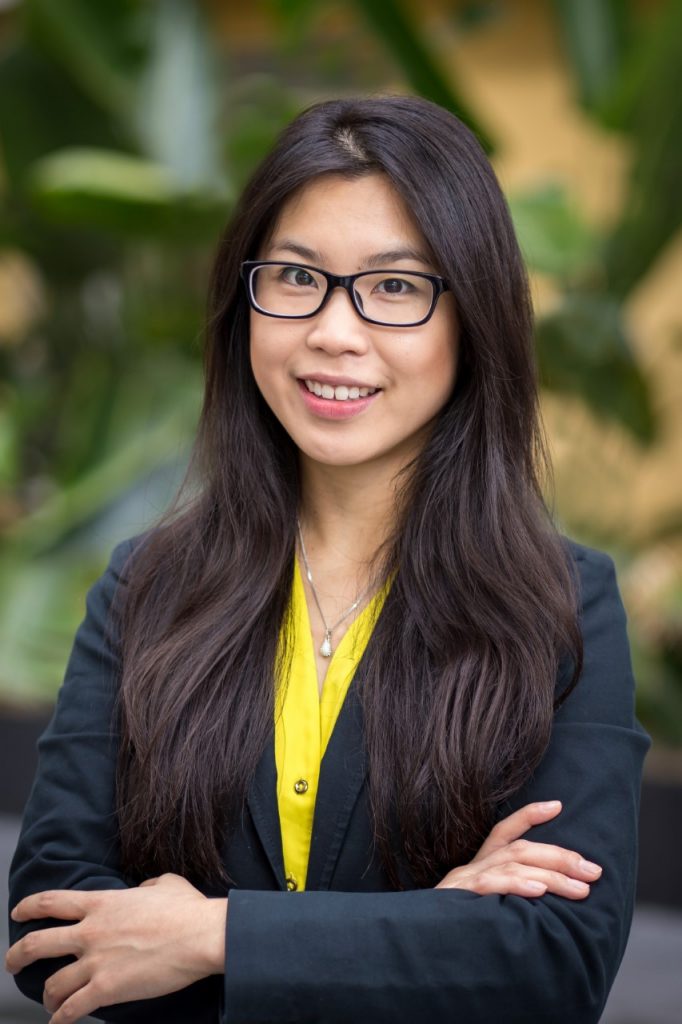
Mary Jiayi Tao MD, PGY4 Diagnostic Radiology, University of Toronto
What you did in residency (and/or medical school) to help with your decision?
There were several factors that helped me solidify my desire to become an interventional radiologist.
- Early exposure: I got involved in a research project in interventional radiology during my first year of medical school. In doing so, I had the opportunity to shadow and spend time in the interventional radiology department which was incredibly exciting and eye-opening. Once I got into residency, I knew I wanted to explore interventional radiology as a potential fellowship based on my prior exposures, so I organized rotations in IR earlier in my training (starting in my PGY2 year) and did shadow shifts to help me make an informed decision. I never turned back after my first week.
- Conferences: I had opportunities to attend some IR conferences over the course of medical school and residency training which helped me learn more about the types of innovating procedures and the cutting-edge research in interventional radiology. It really makes you excited for what is to come in the specialty.
- Mentorship: Having mentors who guide, support, and challenge you is immensely important. I have been very fortunate to have worked alongside many talented and distinguished interventional radiologists over the course of my training thus far. Their unwavering dedication to mentorship has helped me every step of the way.
How was the application process?
It was an exciting and nerve-wrecking process especially this year given that the application happened during the beginning stages of the COVID-19 pandemic which added to the degree of uncertainty. Deadlines and requirements for fellowships vary program to program so was it critical to stay organized, prepare documentations in advance and to follow-up with the application to ensure its completion. This year, all fellowship interviews were conducted virtually which had its advantages and disadvantages. Obviously, I would have loved to travel to the individual programs to see the facilities/cities and to meet the interviewers in-person, but virtual interviews were very time-efficient and cost-effective.
What do you look forward to as a fellow?
I am looking forward to being constantly challenged and absorbing as much knowledge and skills over the course of my fellowship year.
What excites you about VIR?
Interventional radiology is a field that offers boundless opportunities and part of what makes this specialty one of the most exciting fields in medicine is the fact that it is constantly evolving. A lot of the procedures performed nowadays did not even exist 10-15 years ago! The breadth of pathologies and management strategies is incredible and ever-expanding so I know that my curiosity will always be stimulated in this specialty.
Interventional radiology is a field that offers boundless opportunities and part of what makes this specialty one of the most exciting fields in medicine is the fact that it is constantly evolving.
Tara Utley has over 20 years of experience in the medical imaging industry between the clinical environment as an Interventional Technologist (MRT), and delivering education through her more recent experiences in product management.
With the introduction of the Royal College (RC) Subspecialty exam in Interventional Radiology (IR), practicing IRs across Canada are faced with a decision: Do I really need to take another Royal College exam?
This segment will feature a unique pearl learned by a junior VIR staff during residency or fellowship to share with our community.
Dr. Woodley-Cook has been practicing diagnostic and interventional radiology in Scarborough since 2015, where he has honed his practice to emphasize on hemodialysis interventions and peripheral vascular disease.
Dr. Sinclair has a broad IR practice with a heavy emphasis on peripheral vascular and vascular malformations.
Recently, Dr. De Korompay was a part of a group in Kelowna who started performing endovascular therapy for acute ischemic stroke, building a program from the ground up.
An opening for a 2-year fellowship in Vascular & Interventional Radiology at the University of Toronto 2021-2023 has become available.
The Canadian Association for Interventional Radiology (CAIR) condemns the escalating violence and ongoing harassment directed at Asians and Asian Canadians and stands in solidarity and compassion with the diverse Asian community.
Are you passionate about IR and would like to influence positive change? Do you have a solid base of expertise and experience? Do you have fresh ideas and new perspectives?
 I met Dr. Nevin De Korompay (NDK) 10 years ago, when we were competing to be the Canadian Association of Radiologists (CAR) Board of Directors resident representative. I won’t say who was selected, but I think he is still bitter. We were both funded by the CAR to attend the ACR annual meeting in Washington DC, as we were both soccer players (