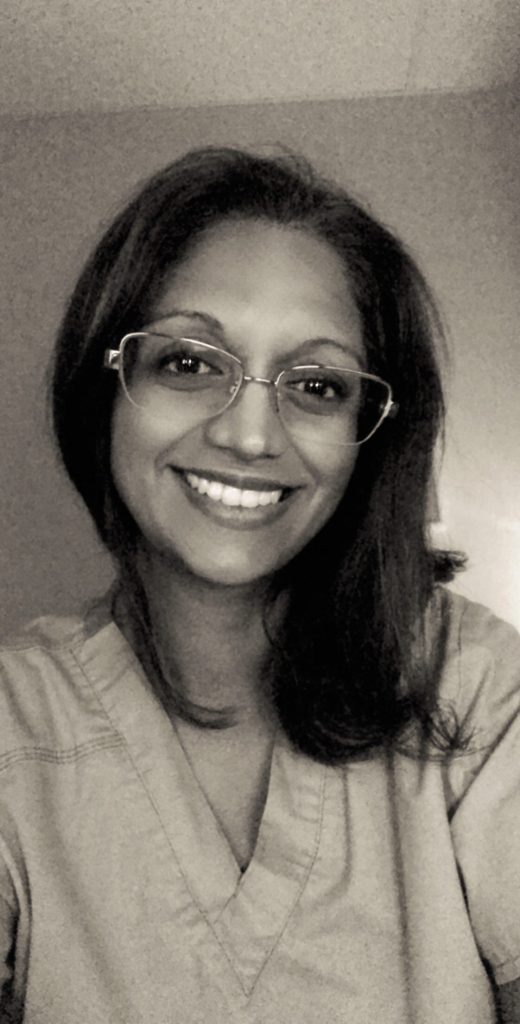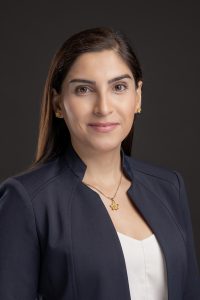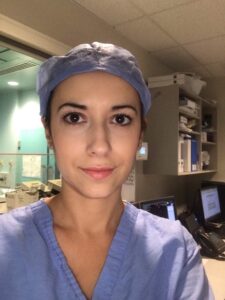
The Department of Medical Imaging, McMaster University and the Department of Diagnostic Imaging, Hamilton Health Sciences are seeking a combined full-time academic interventional and body radiologist for the Hamilton General Hospital site.

The Hamilton General Hospital is a large tertiary referral centre, with a busy vascular surgical service and Level 1 trauma program.  The preferred candidate will have fellowship training interventional radiology. The interventional radiology practice includes vascular work (i.e. angiograms, angioplasty/stenting, embolization, thrombectomy/thrombolysis), and non-vascular work (i.e. biopsy, drainage, gastrostomy, GJ tubes, nephrostomy).  The successful candidate will have an opportunity to develop new services and IR consultation clinic in collaboration with colleagues. The position also involves body imaging, including radiography, fluoroscopy, ultrasound, body CT and opportunity for body MR.  The body imaging service at Hamilton General supports a variety of general and tertiary level subspecialty medical and surgical services.  This position involves participation in the city-wide interventional radiology on call roster at the Hamilton Health Sciences sites encompassing Hamilton General Hospital, the Juravinski Hospital and the McMaster University Medical Center. Candidates must possess skills that enhance our interdisciplinary tertiary clinical teams and collaborative environment, including participation in regularly-scheduled multidisciplinary rounds.  The position involves scheduling for clinical work, subspecialty and teaching rounds, encompassing assignments in both inpatient and outpatient settings.

The full posting is available here.

The Department of Medical Imaging, McMaster University and the Department of Diagnostic Imaging, Hamilton Health Sciences are seeking a combined full-time academic interventional and body radiologist for the Hamilton General Hospital site

The Department of Medical Imaging, McMaster University and the Department of Diagnostic Imaging, Hamilton Health Sciences are seeking a full-time academic interventional radiologist for the Hamilton General Hospital site.

A key moment that solidified my decision was seeing the differences between an open neurosurgical clipping and a coiling when treating ruptured aneurysms. The ability to use imaging guidance to navigate catheters and instruments through the body, directly addressing the medical issue without the need for large incisions, was nothing short of remarkable. This experience underscored the profound impact interventional radiology can have on patient outcomes, and I wanted to be a part of this transformative field.

The work intensity of IR can seem intimidating but there are so many ways to make an IR practice work for you, leading to long lasting and rewarding career.

Dr. Machan is an early Canadian proponent of interventional radiology. A clinical practitioner at the Vancouver Hospital and an associate professor at the University of British Columbia, he continues to innovate while guiding others on their own paths to growth and success. His company created and licensed the paclitaxel coated stent, which has improved the lives of people with peripheral arterial disease.

I was rostered to be in Interventional Radiology suites on one day of that week. Completely oblivious of what it was, I went and attended. The first patient on the list was an IVC filter insertion. I had no idea what the procedure involved and thought it would take hours. I was introduced to the consultant and I saw him prepping for it. I was chatting with the nurses and in 5 minutes the operator turned around and said ‘DONE’.

I first entered medicine to be a cardiac surgeon. But when I assisted to a cardiac valve replacement and coronary bypass… I realized the surgery was interesting but way too long for my taste!

As a Professor of Radiology at the Université de Montréal, former Vice Dean of the Faculty of Medicine, and Director of the Diagnostic Radiology Program, Professor Dubois has consistently demonstrated exemplary leadership and expertise in the realms of interventional radiology, particularly in the diagnosis and treatment of vascular anomalies.

Seeing the range of procedures that IRs performed, the innovation involved in the day to day practice and industry side of things drew me even more to the career.

The Canadian Association for Interventional Radiology (CAIR) will be holding an in-person Annual General Meeting (AGM) for its voting members in good standing on May 23rd, 2024 at 2:50 pm at the Westin Calgary in Calgary, AB, during CAIR's Annual Scientific Meeting.

The Department of Medical Imaging, McMaster University and the Department of Diagnostic Imaging, Hamilton Health Sciences are seeking a full-time academic interventional radiologist for the Hamilton General Hospital site.

The Hamilton General Hospital is a large tertiary referral centre, with a busy vascular surgical service and Level 1 trauma program.  The preferred candidate will have fellowship training in interventional radiology. The interventional radiology practice includes vascular work (i.e. angiograms, angioplasty/stenting, embolization, thrombectomy/thrombolysis), and non-vascular work (i.e. biopsy, drainage, gastrostomy, GJ tubes, nephrostomy).  The successful candidate will have the opportunity to develop new services and establish an IR consultation clinic in collaboration with colleagues.  The position also includes some general radiology/body imaging assignments.  The successful candidate should be comfortable with interpretation of vascular ultrasound and CT. The position involves participation in the city-wide interventional radiology on call roster at the Hamilton Health Sciences sites encompassing Hamilton General Hospital, the Juravinski Hospital and the McMaster University Medical Center. Candidates must possess skills that enhance our interdisciplinary tertiary clinical team and collaborative environment, including participation in regularly-scheduled multidisciplinary rounds.  The position involves scheduling for clinical work, subspecialty and teaching rounds, encompassing assignments in both inpatient and outpatient settings.

The full posting is available here.

The Department of Medical Imaging, McMaster University and the Department of Diagnostic Imaging, Hamilton Health Sciences are seeking a combined full-time academic interventional and body radiologist for the Hamilton General Hospital site

The Department of Medical Imaging, McMaster University and the Department of Diagnostic Imaging, Hamilton Health Sciences are seeking a full-time academic interventional radiologist for the Hamilton General Hospital site.

A key moment that solidified my decision was seeing the differences between an open neurosurgical clipping and a coiling when treating ruptured aneurysms. The ability to use imaging guidance to navigate catheters and instruments through the body, directly addressing the medical issue without the need for large incisions, was nothing short of remarkable. This experience underscored the profound impact interventional radiology can have on patient outcomes, and I wanted to be a part of this transformative field.

The work intensity of IR can seem intimidating but there are so many ways to make an IR practice work for you, leading to long lasting and rewarding career.

Dr. Machan is an early Canadian proponent of interventional radiology. A clinical practitioner at the Vancouver Hospital and an associate professor at the University of British Columbia, he continues to innovate while guiding others on their own paths to growth and success. His company created and licensed the paclitaxel coated stent, which has improved the lives of people with peripheral arterial disease.

I was rostered to be in Interventional Radiology suites on one day of that week. Completely oblivious of what it was, I went and attended. The first patient on the list was an IVC filter insertion. I had no idea what the procedure involved and thought it would take hours. I was introduced to the consultant and I saw him prepping for it. I was chatting with the nurses and in 5 minutes the operator turned around and said ‘DONE’.

I first entered medicine to be a cardiac surgeon. But when I assisted to a cardiac valve replacement and coronary bypass… I realized the surgery was interesting but way too long for my taste!

As a Professor of Radiology at the Université de Montréal, former Vice Dean of the Faculty of Medicine, and Director of the Diagnostic Radiology Program, Professor Dubois has consistently demonstrated exemplary leadership and expertise in the realms of interventional radiology, particularly in the diagnosis and treatment of vascular anomalies.

Seeing the range of procedures that IRs performed, the innovation involved in the day to day practice and industry side of things drew me even more to the career.

The Canadian Association for Interventional Radiology (CAIR) will be holding an in-person Annual General Meeting (AGM) for its voting members in good standing on May 23rd, 2024 at 2:50 pm at the Westin Calgary in Calgary, AB, during CAIR's Annual Scientific Meeting.


Can you share your journey into interventional radiology and what inspired you to pursue this specialty?

During my residency in radiology, I was introduced to the field of interventional radiology, and it was a revelation. The blend of cutting-edge technology, precision, and direct patient care resonated deeply with me. I was particularly inspired by the minimally invasive nature of interventional procedures, which offered patients quicker recovery times, less pain, and fewer complications compared to traditional surgical methods.

A key moment that solidified my decision was seeing the differences between an open neurosurgical clipping and a coiling when treating ruptured aneurysms. The ability to use imaging guidance to navigate catheters and instruments through the body, directly addressing the medical issue without the need for large incisions, was nothing short of remarkable. This experience underscored the profound impact interventional radiology can have on patient outcomes, and I wanted to be a part of this transformative field.

The dynamic nature of interventional radiology, with its constant advancements and innovations, continues to inspire me. Every day presents new challenges and opportunities to improve patient care through minimally invasive techniques. The combination of diagnostic acumen and procedural expertise required in this specialty keeps me intellectually stimulated and professionally fulfilled.

Moreover, as a diagnostic and interventional neuroradiologist, I find great satisfaction in addressing complex neurological conditions. The ability to perform procedures such as stroke thrombectomy, aneurysm coiling, and spinal interventions allows me to make a significant difference in patients’ lives, often in critical situations. This sense of purpose and the opportunity to provide immediate and impactful care drives my passion for interventional radiology.


How do you balance work and personal life in a demanding field like interventional radiology?

Balancing the demands of a career in interventional radiology with personal life, especially as a mother of 2 year old twins, necessitates a bit of planning, prioritization, and having a good support system. Here are some key strategies that I employ to maintain this balance:

I. Setting Priorities: I try to prioritize my responsibilities both at work and at home. At work, this means focusing on the most critical tasks and procedures, ensuring patient care is always the top priority. At home, my family’s needs come first, and I make sure to allocate quality time for them despite a busy schedule.

II. Time Management: Effective time management is crucial. I try to maintain a structured daily routine, which helps me and my family stay organized and efficient. This includes scheduling dedicated time for family activities, exercise, and self-care. Utilizing tools like calendars and planners with automated reminders, helps keep track of both professional commitments and personal engagements.

III. Delegation and Teamwork: At work, I rely on a supportive team of colleagues and staff.  Delegating tasks when appropriate and collaborating with my team ensures that patient care is seamless and efficient. At home, I share responsibilities with my partner and seek help from family members when needed, creating a supportive network that allows me to balance my roles effectively.

IV. Setting Boundaries: Establishing clear boundaries between work and personal life is essential. I strive to limit work-related tasks and communications to office hours whenever possible, ensuring that evenings and weekends are reserved for family and personal time. This helps create a mental separation between professional and personal spheres, reducing stress and burnout.

V. Self-Care and Wellness: Maintaining my physical and mental well-being is vital for managing a demanding career. I incorporate regular exercise into my routine, training at the gym two or three times a week. This not only helps me stay in shape but also serves as a stress reliever. Additionally, I try to engage in other activities including walks, bicycling and going out to the park with the whole family to keep active.

VI. Quality Time with Family: Despite a busy schedule, I make it a point to engage in meaningful activities with my family. Whether it’s simple everyday moments or planned outings, spending quality time with my twins and partner is a priority. This strengthens our bond and ensures that I am present for important milestones in my children’s lives.

VII. Flexibility and Adaptability: Flexibility is key in managing unexpected demands, both at work and at home. Being adaptable allows me to respond to emergencies or changes in schedule without compromising my responsibilities. This requires a proactive approach to problem-solving and a willingness to adjust plans as needed.

VIII. Seeking Support: Recognizing the importance of a support system, I connect with peers and mentors in the medical field who understand the unique challenges of interventional radiology. Their advice and shared experiences provide valuable insights and encouragement.


What are some key challenges you faced as a woman in interventional radiology, and how did you overcome them?

Navigating a career in interventional radiology as a woman has presented several unique challenges. However, through resilience, support, and strategic action, I have been able to overcome these obstacles. Here are some key challenges and how I addressed them:

I. Gender Bias and Stereotyping: One of the primary challenges has been dealing with gender bias and stereotypes. Interventional radiology is a male-dominated field, and at times, I have encountered preconceived notions about my capabilities based solely on my appearance and gender. This bias can manifest in subtle ways, such as being unnecessarily questioned by patients or potentially overlooked for complex procedures or leadership roles.

Overcoming Strategy: I have approached this challenge by consistently demonstrating my expertise and competence. By excelling in my work and trying to always be prepared, I have earned the respect of my colleagues and established myself as a capable and skilled professional. I have gained their trust and I feel appreciated when I receive a request to go help out in the angio suite or give an opinion on a case. Additionally, I have sought out mentors and role models within the field who have provided guidance and support in navigating these biases.

II. Work-Life Balance: Balancing the demanding nature of interventional radiology with personal life responsibilities, especially as a mother, has been another significant challenge. The unpredictable hours and high-stress environment can make it difficult to maintain a healthy work-life balance.

Overcoming Strategy: Implementing effective time management and setting clear boundaries between work and personal life have been crucial. I was lucky to be allowed to gradually return to work after my maternity leave starting with 20% and slowly increasing that. Currently I am working at 80% plus full-time call, which is a good balance. I have leveraged support from my partner, family, and professional networks to ensure I can meet the demands of both spheres.

III. Networking and Professional Development: Networking within a predominantly male field can be challenging. Professional development opportunities and networking events are often male-centric, making it difficult for women to establish connections and advance their careers.

Overcoming Strategy: I have actively sought out and participated in women-focused professional groups and organizations. These groups like for example the WINN (Women In Interventional Neuroradiology) provide a supportive environment for networking, mentorship, and professional growth. Additionally, attending conferences and workshops dedicated to diversity and inclusion in medicine has allowed me to connect with like-minded professionals and expand my network.

IV. Leadership and Advancement Opportunities: Gaining leadership positions and advancing in a male-dominated field can be difficult. Women may face additional scrutiny and higher expectations when pursuing leadership roles.

Overcoming Strategy: To overcome this, I have focused on building a strong professional portfolio, highlighting my achievements, skills, and contributions to the field which is sometimes counterintuitive for a woman. Seeking out leadership training programs and taking on challenging projects have helped me develop the necessary skills and experience for advancement. Additionally, advocating for myself and expressing my career aspirations to mentors and supervisors has been essential in securing leadership opportunities.

V. Workplace Environment and Support: Ensuring a supportive and inclusive workplace environment is critical. At times, the lack of female representation and support within the department can lead to feelings of isolation and stress.

Overcoming Strategy: I have fostered a network of support by connecting with other women in radiology and interventional specialties, some are at my local institution but also across different centers, countries, and continents. Establishing peer support groups and participating in initiatives aimed at promoting diversity and inclusion within the workplace has been beneficial. Additionally, advocating for policies that support work-life balance and family-friendly practices has contributed to a more inclusive and supportive environment.

Despite these challenges, the progress and advancements in interventional radiology are promising. The increasing recognition of the value of diversity and inclusion in medicine is leading to more opportunities and support for women in the field. By addressing these challenges head-on and leveraging support systems, I have been able to thrive in my career and contribute to the advancement of interventional radiology.


How has the landscape of interventional radiology evolved over the years, especially in terms of gender representation?

The field of interventional radiology has undergone significant evolution over the years, marked by significant advancements in technology, techniques, and patient care. One of the notable areas of progress has been the increasing representation of women within the specialty. This shift has been influenced by several key factors:

I. Increased Awareness and Advocacy: Over the past decades, there has been a growing awareness of the importance of diversity and inclusion within the medical field. Professional organizations, advocacy groups, and educational institutions have actively promoted gender equality and worked to create a more inclusive environment for women in interventional radiology. Initiatives such as mentorship programs, scholarships, and awareness campaigns have encouraged more women to pursue careers in this specialty.

II. Supportive Networks and Mentorship: The establishment of supportive networks and mentorship programs specifically aimed at women in interventional radiology has played a crucial role in increasing gender representation. These programs provide valuable guidance, support, and career development opportunities for women, helping them navigate the challenges and excel in their careers. Mentorship from experienced female interventional radiologists has been instrumental in inspiring and guiding the next generation of women in the field.

III. Changing Perceptions and Stereotypes: The perception of interventional radiology as a male-dominated field has gradually changed. As more women have entered and excelled in the specialty, they have challenged traditional stereotypes and demonstrated their capabilities. This shift in perception has encouraged more women to consider interventional radiology as a viable and rewarding career option. Additionally, the visibility of successful female interventional radiologists in leadership positions has served as powerful role models for aspiring women in the field.

IV. Work-Life Balance and Family-Friendly Policies: Recognizing the importance of work-life balance, many medical institutions and organizations have implemented family friendly policies and flexible work arrangements. These initiatives have made it easier for women to manage their professional and personal responsibilities, making the field more attractive and accessible. Programs such as parental leave, part-time work options, and on-site childcare have contributed to creating a more supportive environment for women in interventional radiology.

V. Educational and Training Opportunities: Enhanced educational and training opportunities have also played a significant role in increasing gender representation. Medical schools and residency programs have made concerted efforts to recruit and retain female students and trainees. By providing equal opportunities for training and career advancement, these programs are helping to bridge the gender gap.

VI. Professional Organizations and Conferences: Professional organizations such as the Society of Interventional Radiology (SIR) and the Cardiovascular and Interventional Radiological Society of Europe (CIRSE) have taken active steps to promote gender diversity. These organizations host conferences, workshops, and networking events that focus on the contributions of women in interventional radiology. By highlighting the achievements and experiences of female interventional radiologists, these platforms inspire and empower more women to pursue careers in the field.

VII. Improved Radiation Awareness and Protection: When working with women in my field, the question often arises: how safe are we truly? Although there is a small risk, it can be significantly mitigated with adequate radiation protection measures. Moreover, promising new radiation protection options are emerging, which could eventually lead to a lead-free interventional suite. I believe that having more women in the field will help drive these advancements forward.

Despite these positive changes, there is still work to be done to achieve full gender parity in interventional radiology. Continued efforts to address gender disparities, provide mentorship and support, and promote inclusive policies are essential for further progress. By fostering a culture of diversity and inclusion, the field of interventional radiology can continue to evolve and benefit from the contributions of talented and dedicated women.


What advice do you have for women who are aspiring to enter the field of interventional radiology?

Entering the field of interventional radiology is a rewarding and exciting career choice, offering the opportunity to make significant contributions to patient care through innovative and minimally invasive procedures. For women aspiring to join this dynamic specialty, here are some key pieces of advice to help navigate the journey:

I. Seek Mentorship and Build Networks: Find mentors who can provide guidance, support, and insights into the field. Seek out both male and female mentors who can offer diverse perspectives. Join professional organizations such as CAIR and SIR and participate in their events and networking opportunities. Building a strong network of colleagues and mentors is invaluable for career development and overcoming challenges.

II. Gain Exposure and Experience Early: Get involved in interventional radiology as early as possible during your medical education. Participate in rotations, shadowing opportunities, and research projects related to the field. This early exposure will help you develop a strong foundation and understanding of the specialty, making you a more competitive candidate for residency programs.

III. Stay Informed and Continuously Learn: Interventional radiology is a rapidly evolving field with constant technological advancements and new techniques. Stay informed about the latest developments by reading journals, attending conferences, and participating in continuing medical education (CME) activities.

IV. Develop Technical Skills and Confidence: The hands-on nature of interventional radiology requires excellent technical skills and precision. Take every opportunity to practice and refine your procedural skills. Simulators, workshops, and hands-on training sessions are valuable resources. Building confidence in your abilities will enable you to perform procedures effectively and handle complex cases.

V. Advocate for Yourself and Your Career: Be proactive in advocating for your career aspirations and seeking opportunities for advancement. Communicate your goals and interests to mentors and supervisors. Don’t be afraid to take on challenging projects, leadership roles, and research opportunities that can showcase your skills and dedication. Self-advocacy is crucial for career progression in any field and is especially important for women as sometimes we tend to not do it.

VI. Balance and Self-Care: Balancing a demanding career with personal life is essential for long-term success and well-being. Prioritize self-care, maintain a healthy work-life balance, and set boundaries to prevent burnout. Engaging in hobbies, spending time with family, and practicing mindfulness can help you stay grounded and focused.

VII. Promote Diversity and Inclusion: Be an advocate for diversity and inclusion within the field. Support initiatives that promote gender equality and work towards creating a more inclusive environment for future generations of interventional radiologists. By contributing to a culture of diversity, you help ensure that the field continues to attract and retain talented individuals from all backgrounds.

VIII. Embrace Challenges and Persevere: The path to becoming an interventional radiologist may come with challenges, including gender bias and work-life balance issues. Embrace these challenges as opportunities for growth and development. Perseverance, resilience, and a positive mindset are essential qualities that will help you overcome obstacles and achieve your career goals.

IX. Leverage Resources and Opportunities: Utilize the resources available to you, including scholarships, grants, and leadership programs designed to support women in medicine. These opportunities can provide financial support, professional development, and recognition for your achievements. Actively seek out and apply for these resources to enhance your career trajectory.

X. Stay Passionate and Patient-Centered: Remember the core reason for choosing interventional radiology: to provide exceptional patient care. Stay passionate about your work and maintain a patient-centered approach. The impact you can make on patients’ lives through innovative procedures is profound and fulfilling.


Are there any specific skills or areas of knowledge that you recommend focusing on during training for a career in interventional radiology?

Training for a career in interventional radiology requires a comprehensive and multifaceted approach. Aspiring interventional radiologists should focus on developing a diverse set of skills and areas of knowledge that will enable them to excel in both procedural and clinical settings.  Here are some key areas to concentrate on during your training:

I. Technical Proficiency and Procedural Skills: Mastering the technical aspects of interventional radiology procedures is fundamental. This includes gaining proficiency in the use of imaging modalities such as fluoroscopy, ultrasound, CT, and MRI to guide minimally invasive procedures. Practice catheter and wire manipulation, vascular access techniques, and device deployment. Hands-on experience through simulations, workshops, and supervised procedures is invaluable in developing these skills.

II. Clinical Knowledge and Patient Care: A strong foundation in clinical medicine is essential for understanding the broad spectrum of conditions treated by interventional radiologists. This includes knowledge of anatomy, physiology, pathology, and pharmacology. Being able to assess and manage patients holistically, both before and after procedures, is crucial. Interventional radiologists often see patients in clinic, and having diverse clinical skills allows for comprehensive patient care.

III. Diagnostic Imaging Interpretation: Developing expertise in interpreting diagnostic imaging studies is critical. This includes the ability to analyze radiographs, CT scans, MRIs, and ultrasounds to identify abnormalities and plan appropriate interventions. Accurate imaging interpretation ensures precise targeting and effective treatment during procedures.

IV. Patient Communication and Interpersonal Skills: Effective communication skills are vital for interacting with patients, families, and healthcare teams. Being able to explain procedures, risks, and benefits in a clear and compassionate manner builds trust and ensures informed consent. Strong interpersonal skills also enhance collaboration with colleagues from various specialties, which is essential for coordinated patient care.

V. Problem-Solving and Decision-Making: Interventional radiology often involves complex cases that require quick and accurate decision-making. Developing strong problem-solving skills and the ability to think critically under pressure is essential. Training should include exposure to a wide range of scenarios and complications, enabling you to respond effectively to unexpected challenges.

VI. Ultrasound-Guided Procedures: Proficiency in ultrasound-guided procedures is increasingly important in interventional radiology. Ultrasound offers real-time imaging, allowing for precise guidance during procedures such as biopsies, drainages, and vascular access. Training in ultrasound techniques enhances your versatility and ability to perform a wide range of interventions.

VII. Endovascular Techniques: Endovascular procedures, such as angioplasty, stenting, and embolization, are core components of interventional radiology. Gaining expertise in these techniques, including the use of various devices and materials, is essential. Understanding vascular anatomy and pathology is critical for successful endovascular interventions.

VIII. Minimally Invasive Oncology: Interventional oncology is a growing subspecialty within interventional radiology. Training should include exposure to minimally invasive cancer treatments such as tumor ablation, chemoembolization, and radioembolization. Knowledge of oncology principles and collaboration with oncology teams is important for providing comprehensive care to cancer patients.

IX. Research and Innovation: Staying abreast of the latest advancements and contributing to research in interventional radiology is important for career growth and the advancement of the field. Engage in research projects, present at conferences, and publish findings to stay at the forefront of innovation. Understanding the principles of clinical research and evidence-based practice enhances your ability to implement new techniques and technologies.

X. Leadership and Professionalism: Developing leadership skills and professionalism is crucial for career advancement and effective team management. Participate in leadership training programs, take on leadership roles within your training program or professional organizations, and demonstrate professionalism in all interactions. Strong leadership skills enable you to advocate for patients, lead multidisciplinary teams, and contribute to the growth of the field.

In conclusion, aspiring interventional radiologists should focus on developing a very diverse set of skills and areas of knowledge. This includes diagnostic imaging interpretation, clinical knowledge, technical proficiency, patient communication, problem-solving, ultrasound-guided procedures, endovascular techniques, minimally invasive oncology, research, and leadership. By honing these skills, you will be well-equipped to provide comprehensive and high-quality care to patients, both in the clinic and during procedures.


Can you share any experiences or insights related to the integration of artificial intelligence in interventional radiology practice?

The integration of artificial intelligence (AI) into interventional radiology (IR) is transforming the field, enhancing both diagnostic and procedural capabilities. AI has the potential to revolutionize how we approach patient care, offering improvements in efficiency, accuracy, and outcomes. Here are some experiences and insights related to this exciting development:

I. Enhanced Imaging Analysis: AI algorithms can analyze medical images with remarkable precision, identifying patterns and anomalies that may be missed by the human eye. In my practice, AI has been particularly beneficial in improving the detection and characterization of vascular conditions. For instance, AI tools can assist in identifying subtle changes in acute ischemic stroke, aiding in hyperacute diagnosis and treatment.

II. Procedural Planning and Navigation: AI-driven software has greatly enhanced procedural planning and navigation. Advanced algorithms can generate detailed 3D models from imaging data, providing a comprehensive view of the patient’s anatomy. This allows for precise pre-procedural planning and real-time guidance during interventions. In complex cases, AI-generated models help optimize the approach and improve accuracy, reducing the risk of complications.

III. Workflow Optimization: AI has the potential to streamline workflow and improve efficiency in the interventional radiology suite. Automated image analysis, reporting, and data entry reduce the time spent on administrative tasks, allowing more focus on patient care. AI-driven scheduling systems can optimize procedure timing and resource allocation, minimizing downtime and enhancing overall productivity.

IV. Training and Education: AI is also playing a role in the education and training of future interventional radiologists. Virtual reality (VR) and augmented reality (AR) platforms, powered by AI, provide realistic simulations for procedural training. These technologies allow trainees to practice complex interventions in a risk-free environment, honing their skills before performing procedures on actual patients. The feedback from these simulations, guided by AI, is highly detailed and helps accelerate the learning curve.

V. Challenges and Considerations: While the integration of AI in interventional radiology offers numerous benefits, it also presents challenges. Ensuring the accuracy and reliability of AI algorithms is crucial, as errors can have significant consequences. Additionally, the integration of AI requires significant investment in technology and training. It is essential to address potential biases in AI models and ensure that they are validated across diverse patient populations.

VI. Future Directions: The future of AI in interventional radiology is promising, with ongoing research and development aimed at expanding its applications. Emerging technologies, such as AI-guided robotic interventions and real-time image analysis during procedures, are poised to further enhance precision and outcomes. Collaboration between radiologists, data scientists, and engineers is key to unlocking the full potential of AI in the field.


How do you handle situations where you may be the only woman in a professional setting, and what advice do you have for navigating such scenarios?

Being the only woman in a professional setting can present unique challenges, but it also offers an opportunity to demonstrate leadership, resilience, and confidence. Here are some strategies
and advice for navigating such scenarios effectively:

I. Confidence and Competence: Confidence in your skills and competence in your field are your greatest assets. Focus on demonstrating your expertise and knowledge through your work. Prepare thoroughly for meetings and presentations, and don’t hesitate to share your insights and ideas. Your confidence will help you gain respect and establish your credibility.

II. Building Allies and Support Networks: Seek out allies and mentors within your organization or professional community. Building relationships with supportive colleagues, both male and female, can provide a valuable support system. These allies can offer guidance, advocate for you, and help amplify your voice in professional settings.

III. Effective Communication: Clear and assertive communication is key. When you speak, ensure that your points are well-articulated and backed by data or evidence. Practice active listening and engage in conversations confidently. If you encounter interruptions or dismissals, assertively but respectfully reclaim your time and space to speak.

IV. Professionalism and Integrity: Maintain a high standard of professionalism and integrity in all your interactions. This includes being punctual, meeting deadlines, and adhering to ethical standards. Your professionalism will reinforce your position as a respected and reliable colleague.

V. Addressing Bias and Stereotypes: If you encounter bias or stereotypes, address them calmly and professionally. It’s important to educate and inform rather than confront aggressively. Highlight your achievements and capabilities to counteract any preconceived notions. If necessary, seek support from other women and/or diversity and inclusion initiatives within your organization.

VI. Seeking Leadership Roles: Taking on leadership roles can help you influence the culture and dynamics of your professional setting. Volunteer for committees, lead projects, and seek out opportunities to mentor others. Your leadership can inspire and pave the way for more women to enter and succeed in the field.

VII. Balancing Assertiveness and Empathy: Striking a balance between assertiveness and empathy is crucial. While it’s important to assert yourself, showing empathy and understanding towards your colleagues fosters a collaborative and positive work environment. Building strong interpersonal relationships can help you navigate challenges more effectively.

VIII. Continuous Learning and Development: Stay updated with the latest advancements and trends in your field. Continuous learning and professional development enhance your expertise and keep you at the forefront of your profession. This not only boosts your confidence but also reinforces your value within the organization.

IX. Promoting Diversity and Inclusion: Advocate for diversity and inclusion within your professional setting. Support initiatives and programs that promote gender equality and create a more inclusive environment. By championing these efforts, you contribute to a culture that values and respects diversity.

X. Self-Care and Resilience: Managing stress and maintaining resilience are essential. Practice self-care through regular exercise, hobbies, and spending time with family and friends. Building resilience helps you stay focused and motivated, even in challenging situations.

Advice for Navigating Being the Only Woman:

  • Be Visible and Vocal: Don’t shy away from opportunities to showcase your skills and contributions. Participate actively in meetings, discussions, and professional events.
  • Build a Personal Brand: Establish a strong personal brand based on your expertise, values, and achievements. Your personal brand will set you apart and create a lasting impression.
  • Find a Mentor: Seek out mentors who can provide guidance, support, and advocacy. A mentor can offer valuable advice and help you navigate complex professional landscapes.
  • Network Strategically: Build a diverse professional network both within and outside your organization. Networking can open doors to new opportunities, sometimes very valuable and completely unexpected, and provide a broader perspective.
  • Stay Positive and Persistent: Challenges are inevitable, but maintaining a positive attitude and persistent effort will help you overcome obstacles and achieve your goals.

The Department of Medical Imaging, McMaster University and the Department of Diagnostic Imaging, Hamilton Health Sciences are seeking a combined full-time academic interventional and body radiologist for the Hamilton General Hospital site

The Department of Medical Imaging, McMaster University and the Department of Diagnostic Imaging, Hamilton Health Sciences are seeking a full-time academic interventional radiologist for the Hamilton General Hospital site.

A key moment that solidified my decision was seeing the differences between an open neurosurgical clipping and a coiling when treating ruptured aneurysms. The ability to use imaging guidance to navigate catheters and instruments through the body, directly addressing the medical issue without the need for large incisions, was nothing short of remarkable. This experience underscored the profound impact interventional radiology can have on patient outcomes, and I wanted to be a part of this transformative field.

The work intensity of IR can seem intimidating but there are so many ways to make an IR practice work for you, leading to long lasting and rewarding career.

Dr. Machan is an early Canadian proponent of interventional radiology. A clinical practitioner at the Vancouver Hospital and an associate professor at the University of British Columbia, he continues to innovate while guiding others on their own paths to growth and success. His company created and licensed the paclitaxel coated stent, which has improved the lives of people with peripheral arterial disease.

I was rostered to be in Interventional Radiology suites on one day of that week. Completely oblivious of what it was, I went and attended. The first patient on the list was an IVC filter insertion. I had no idea what the procedure involved and thought it would take hours. I was introduced to the consultant and I saw him prepping for it. I was chatting with the nurses and in 5 minutes the operator turned around and said ‘DONE’.

I first entered medicine to be a cardiac surgeon. But when I assisted to a cardiac valve replacement and coronary bypass… I realized the surgery was interesting but way too long for my taste!

As a Professor of Radiology at the Université de Montréal, former Vice Dean of the Faculty of Medicine, and Director of the Diagnostic Radiology Program, Professor Dubois has consistently demonstrated exemplary leadership and expertise in the realms of interventional radiology, particularly in the diagnosis and treatment of vascular anomalies.

Seeing the range of procedures that IRs performed, the innovation involved in the day to day practice and industry side of things drew me even more to the career.

The Canadian Association for Interventional Radiology (CAIR) will be holding an in-person Annual General Meeting (AGM) for its voting members in good standing on May 23rd, 2024 at 2:50 pm at the Westin Calgary in Calgary, AB, during CAIR's Annual Scientific Meeting.


Can you share your journey into interventional radiology and what inspired you to pursue this specialty?

I first entered medicine determined that I wanted to be in a technical specialty and work with my hands. Initially, I was drawn to ENT due to my interest in anatomy and for the ability to work with intricate structures. Over several electives, I realized that ENT was not the right fit. But while participating in head and neck tumor board, I gained admiration for the leading presence of the radiologist. Fortunately, I matched into radiology and it was during a residency rotation in interventional radiology that an “ah-hah” moment occurred – I realized that IR was the perfect mix of highly technical surgery with minimally invasive interventions that can have profound impacts on patients. I found my calling very quickly and have enjoyed the privilege of working in this field ever since.


How do you balance work and personal life in a demanding field like interventional radiology?

Interventional radiology is an intense specialty but there is a lot of flexibility within the field. Unless desired otherwise, most interventional radiologists still do a fair amount of diagnostic radiology in their work. I am working in a group that does 50/50 IR and DR. This has been ideal in offering a different pace and clinical variety in between busy, and sometimes demanding IR days. With knowledge in both IR and DR, interventionists are in a special position to adjust the intensity of their work according to the demands of their personal life and through different stages of life. There are also many different types of IR practices, such as academic, community, outpatient based and private practice. There is really no one way to be an IR. Because of this, I would argue that IR is probably the most flexible in terms of work demands among all other procedural-based specialties.

I have recently finished my training and have taken up a job at a tertiary hospital with a wide variety of complex cases and emergencies. In selecting a place of work, I cannot emphasize how important it is to be in an environment where you feel supported. You do not come out of fellowship having learned everything about IR and the learning never stops as you progress through an ever-evolving field of IR. It is essential for your work satisfaction and longevity to have supportive colleagues willing to back you up when you are in a complex case or scrub in together when you are learning a new technique. Although work is hard, it is much better when you have good colleagues working together as a team.

Being early career, I am enjoying dedicating my time and efforts to a demanding work schedule. Although I understand that working too much may not be ideal for the long term, I am aware that burn out is a real issue and I consciously make an effort to disconnect during my time away from work and prioritize daily self-care such as catching up with friends, working out, and making healthy recipes.


What are some key challenges you faced as a woman in interventional radiology, and how did you overcome them?

Personally, I have battled with imposter syndrome, especially being a trainee and early career attending. In general, I feel women in male-dominated fields such as surgery tend to undervalue their skills despite being technically equal or superior to their male colleague. In training, I found that I have to do a procedure independently a number of times and have done my due diligence in reading the literature before I consider myself competent. Other colleagues may feel comfortable with a procedure after doing it a few times. I have also struggled with being told that I am “too shy”, when I may simply prefer to address patients and colleagues in a more soft-spoken manner. Over time, as my team has gotten to know me, I realized that my softer approach is not necessarily a weakness, but rather an advantageous quality which is quite appreciated and can foster closer-knit relationships with my IR support team and with my patients.


How has the landscape of interventional radiology evolved over the years, especially in terms of gender representation?

I have found radiology and especially interventional radiology to be an evolving landscape during my training and start of independent practice in terms of gender disparity. When I became interested in IR during residency, I found my IR attendings to be initially surprised then particularly encouraging and supportive in making sure that I am offered ample opportunities to succeed. When I started applying for fellowship, I did not feel that being a female applicant disadvantaged my application in any particular way. Recently having been through a job searching process, I was also pleasantly surprised that radiology groups are making a conscious effort to close the gender gap, and very quickly settled into a position that was a great fit for me. My overall experience as a female IR has been promising and I believe that the field of IR is ready to embrace more female physicians. I encourage anyone who may be interested to have confidence in diving into the field.


What role do you think diversity plays in enhancing the practice of interventional radiology?

Female IR physicians have much to add to the field. There is a growing domain of IR that targets women’s health issues such as uterine fibroid embolization, pelvic congestion syndrome, varicose veins, and breast cancer-target therapies. With this, there are increasing opportunities for women IR to take up specific interest in women’s health and to better understand and address the unique needs pertaining to women. A more diverse IR team is also able to identify health outcomes that vary by gender and background leading to better patient comfort, communication and satisfaction. Female representation in IR can serve as role models and mentors for other aspiring female interventionalists. Personally, my career would not have been the same without the female IR mentors who supported me throughout my path in IR. Having access to mentorship and role models is crucial for encouraging more women to pursue the career in IR and supporting their professional development


Are there any specific organizations or conferences that you recommend for networking and career development in interventional radiology?

Attending the CAIR ASM has been the highlight of each year. As a trainee, I had the opportunity to have the conference funded and attend trainee day more than once and thoroughly enjoyed the experience each time. It is an opportunity to make friends with other trainees who are going through the same experience as you, meet IRs across different Canadian institutions, and rub shoulders with the giants of the field from whom you have a lot to learn from. The Canadian IR field is a closely knit group and there is no better opportunity to get to know people than coming to the ASM. SIR and CIRSE are two other conferences that you may consider attending to network and be inspired at.


What advice do you have for women who are aspiring to enter the field of interventional radiology?

If you are interested in IR, I would seek every opportunity to gain exposure to IR in medical school and residency to determine whether this is the field for you. In medical school, IR is not necessarily the most available specialty to rotate in but do not be discouraged and keep trying by participating in IR in and out of school. It may be the most wonderful field you have ever known. Once you have determined that this is your calling, do not let the gender disparity discourage you. IR as a field is ready to accept more female physicians and you will be surprised to find many mentors with open arms to support you along the way. The work intensity of IR can seem intimidating but there are so many ways to make an IR practice work for you, leading to long lasting and rewarding career. Be confident in yourself and trust that you are more than capable despite how challenging it may seem sometimes. You will have good days and bad days. The reality is you will have losses where a procedure may not have gone the way you had hoped or had a complication that you wish you could have foreseen. Know that you are not the only one it happens to and that these experiences are invaluable in making you even better physician.

The Department of Medical Imaging, McMaster University and the Department of Diagnostic Imaging, Hamilton Health Sciences are seeking a combined full-time academic interventional and body radiologist for the Hamilton General Hospital site

The Department of Medical Imaging, McMaster University and the Department of Diagnostic Imaging, Hamilton Health Sciences are seeking a full-time academic interventional radiologist for the Hamilton General Hospital site.

A key moment that solidified my decision was seeing the differences between an open neurosurgical clipping and a coiling when treating ruptured aneurysms. The ability to use imaging guidance to navigate catheters and instruments through the body, directly addressing the medical issue without the need for large incisions, was nothing short of remarkable. This experience underscored the profound impact interventional radiology can have on patient outcomes, and I wanted to be a part of this transformative field.

The work intensity of IR can seem intimidating but there are so many ways to make an IR practice work for you, leading to long lasting and rewarding career.

Dr. Machan is an early Canadian proponent of interventional radiology. A clinical practitioner at the Vancouver Hospital and an associate professor at the University of British Columbia, he continues to innovate while guiding others on their own paths to growth and success. His company created and licensed the paclitaxel coated stent, which has improved the lives of people with peripheral arterial disease.

I was rostered to be in Interventional Radiology suites on one day of that week. Completely oblivious of what it was, I went and attended. The first patient on the list was an IVC filter insertion. I had no idea what the procedure involved and thought it would take hours. I was introduced to the consultant and I saw him prepping for it. I was chatting with the nurses and in 5 minutes the operator turned around and said ‘DONE’.

I first entered medicine to be a cardiac surgeon. But when I assisted to a cardiac valve replacement and coronary bypass… I realized the surgery was interesting but way too long for my taste!

As a Professor of Radiology at the Université de Montréal, former Vice Dean of the Faculty of Medicine, and Director of the Diagnostic Radiology Program, Professor Dubois has consistently demonstrated exemplary leadership and expertise in the realms of interventional radiology, particularly in the diagnosis and treatment of vascular anomalies.

Seeing the range of procedures that IRs performed, the innovation involved in the day to day practice and industry side of things drew me even more to the career.

The Canadian Association for Interventional Radiology (CAIR) will be holding an in-person Annual General Meeting (AGM) for its voting members in good standing on May 23rd, 2024 at 2:50 pm at the Westin Calgary in Calgary, AB, during CAIR's Annual Scientific Meeting.

Congratulations to Dr. Lindsay Machan for receiving the Order of Canada!

Dr. Machan is an early Canadian proponent of interventional radiology. A clinical practitioner at the Vancouver Hospital and an associate professor at the University of British Columbia, he continues to innovate while guiding others on their own paths to growth and success. His company created and licensed the paclitaxel coated stent, which has improved the lives of people with peripheral arterial disease.

He is also a past CAIR Board President and CAIR Award winner.

The Department of Medical Imaging, McMaster University and the Department of Diagnostic Imaging, Hamilton Health Sciences are seeking a combined full-time academic interventional and body radiologist for the Hamilton General Hospital site

The Department of Medical Imaging, McMaster University and the Department of Diagnostic Imaging, Hamilton Health Sciences are seeking a full-time academic interventional radiologist for the Hamilton General Hospital site.

A key moment that solidified my decision was seeing the differences between an open neurosurgical clipping and a coiling when treating ruptured aneurysms. The ability to use imaging guidance to navigate catheters and instruments through the body, directly addressing the medical issue without the need for large incisions, was nothing short of remarkable. This experience underscored the profound impact interventional radiology can have on patient outcomes, and I wanted to be a part of this transformative field.

The work intensity of IR can seem intimidating but there are so many ways to make an IR practice work for you, leading to long lasting and rewarding career.

Dr. Machan is an early Canadian proponent of interventional radiology. A clinical practitioner at the Vancouver Hospital and an associate professor at the University of British Columbia, he continues to innovate while guiding others on their own paths to growth and success. His company created and licensed the paclitaxel coated stent, which has improved the lives of people with peripheral arterial disease.

I was rostered to be in Interventional Radiology suites on one day of that week. Completely oblivious of what it was, I went and attended. The first patient on the list was an IVC filter insertion. I had no idea what the procedure involved and thought it would take hours. I was introduced to the consultant and I saw him prepping for it. I was chatting with the nurses and in 5 minutes the operator turned around and said ‘DONE’.

I first entered medicine to be a cardiac surgeon. But when I assisted to a cardiac valve replacement and coronary bypass… I realized the surgery was interesting but way too long for my taste!

As a Professor of Radiology at the Université de Montréal, former Vice Dean of the Faculty of Medicine, and Director of the Diagnostic Radiology Program, Professor Dubois has consistently demonstrated exemplary leadership and expertise in the realms of interventional radiology, particularly in the diagnosis and treatment of vascular anomalies.

Seeing the range of procedures that IRs performed, the innovation involved in the day to day practice and industry side of things drew me even more to the career.

The Canadian Association for Interventional Radiology (CAIR) will be holding an in-person Annual General Meeting (AGM) for its voting members in good standing on May 23rd, 2024 at 2:50 pm at the Westin Calgary in Calgary, AB, during CAIR's Annual Scientific Meeting.

Can you share your journey into interventional radiology and what inspired you to pursue this specialty?

As a junior doctor, I was always attracted to procedures on the ward. In 2007-2008, I was a foundation year doctor, which is the first two years after graduation. I would always volunteer to do procedures like lumbar puncture, ascitic and pleural tap/drainage, etc. Back then, we used to be on call for 7 nights in a row. Week of night shifts was followed by ‘Educational week’, nowadays called ‘Taster week’. We could select any specialty to spend time in for exposure. I selected Radiology as I wanted to spend time in a different specialty.

I was rostered to be in Interventional Radiology suites on one day of that week. Completely oblivious of what it was, I went and attended. The first patient on the list was an IVC filter insertion. I had no idea what the procedure involved and thought it would take hours. I was introduced to the consultant and I saw him prepping for it. I was chatting with the nurses and in 5 minutes the operator turned around and said ‘DONE’. This left me shocked and impressed at the same time. I will remember that day for the rest of my life because I was introduced to the world of IR. The more I got to know about it, the more I fell in love with it. I started speaking to the Interventional radiologists and started building my CV towards it.

I started my journey in Radiology in 2010, after I finished 2 years of internal medicine training, which was not a requirement to get into Radiology, but a backup in case I changed my mind. I have never looked back and what a journey I have had.

Throughout my journey, I have had fantastic mentors who have guided me all the way and encouraged me to pursue my dream.


How do you balance work and personal life in a demanding field like interventional radiology?  How do you balance the demands of interventional radiology with family responsibilities, and what advice do you have for women aiming to achieve this balance?

I am not going to lie. It has been difficult, but not impossible, and hence here I am.

I finished my training and took up a consultant job in Oct 2016. I started my family at the same time. I have one daughter who is nearly 7 years old. My husband is a general practitioner/family physician. I work in a tertiary hospital which means all the complex cases/emergencies are directed to our hospital from a wide region. Being on call for vascular radiology means, I am on call for cases like aortic aneurysm ruptures, trauma, upper and lower GI bleeding, and acute limb ischemia.

I am the chair of the EDI committee of the BSIR and also an IMG(International medical graduates) tutor for my region i.e Hull University teaching hospitals NHS trust.

So, in a nutshell, I have a busy professional and personal life and it can be a struggle to maintain that balance. I have had my share of struggles during my training, with my husband and me living away, childcare issues, no family support nearby, etc.

The most important thing (which worked for me) was looking after my physical and mental health. Taking time out for the things that I found interesting outside of work. Simple things like going on a long drive with my daughter, and listening and singing to our favorite playlist gives me so much pleasure. I like to maintain my fitness, so I enjoy running and gym classes. I simply love trekking and hiking, so I make sure I do that at least once every year with my group of hiking friends.

Keeping and maintaining a schedule and prioritizing things is very important, keeping in mind that you’re only human. Don’t be unrealistic when you’re organizing your week.

Setting boundaries is very important. If work finishes at 5 pm, then I’m physically and mentally at home. There will be times when that’s not possible especially when I’m organising an event/conference or preparing for a talk. Other than that, after 5 is home time. I work full time but have squeezed my working hours in 4 days. I’m off on Mondays and I maintain those boundaries.

I have had my share of childcare issues. I have received calls from nursery/childcare/school to collect my daughter because she was unwell, typically on days when getting out of work was impossible. Having an amazing team and colleagues has pushed me through some hard times.


What are some key challenges you faced as a woman in interventional radiology, and how did you overcome them?

Back in my training days, I was the only female IR trainee in my year. There were no female trainees in the year above or below me.  I always hesitated about starting a family, thinking being away on Mat leave will push me back. It seemed a bit unfair at the time. I always felt I was better than some of my male colleagues who were not subjected to making similar decisions. I made a choice and finished my training and exams. I got a consultant’s job and then started a family. Did I make the right decision? There is no right or wrong answer here, it’s a personal choice.

I have a lot of friends and female colleagues who started their families while training and going through exams. I have tremendous respect for them. I always thought I did it the easy way but actually taking that decision of not extending family during training was a tough one.

The number of women in IR is extremely low which puts off many females to choose this specialty. The main reason is the lack of representation and role models as a result of which females are not attracted to this post. There is a lack of mentorship or guidance which is more female specific, and I faced the same problem.  Family responsibilities are different for females than for men, and understanding that is the key. I am currently the only female vascular interventional Radiologist in my hospital. As already mentioned, there have been a few times when I had to leave work for a family emergency. I used to be reluctant to think of finishing the list first and then leaving, which used to cause more anxiety. Communication and keeping your work colleagues in the loop is extremely important. People generally understand and want to make it work.

Radiation and pregnancy are other issues that most women are afraid of and hence unable to pursue a career in IR, mainly due to a lack of guidance and knowledge.


What advice do you have for women who are aspiring to enter the field of interventional radiology?

Interventional radiology is an amazing field that is changing constantly, with new devices and techniques for treating different vascular/non-vascular pathologies evolving on a yearly basis. Women in general are very good at adapting very quickly to changing environments and unexpected challenges. Especially women with young families deal with difficult situations on a day-to-day basis. They can handle stress and are able to balance multiple responsibilities. So, my one piece of advice to women who want to pursue their career in IR is to ‘Go for it, you can do it’.

I have spoken to a lot of young female trainees looking to pursue a career in IR with a lot of questions in their heads, wanting to be in control of their career, life, and family. They want to plan their whole life which is practically not possible. Life is unpredictable and nothing goes according to plan in my experience, so why are we putting so much pressure on us?

Mentorship and guidance are so important, so find yourself a good mentor. Doesn’t necessarily need to be female. All my mentors were men and they encouraged me throughout my journey.


Have you encountered any specific stereotypes or misconceptions about women in interventional radiology, and how do you address them?

Of course !! Unconscious bias does exist and women are mostly at the receiving end. For example, research has shown, that women are less considered for leadership posts. The main misconception is that they are too emotional and hence weak in making decisions. Another misconception is that women have too many responsibilities, more on a personal front in comparison to men, which makes them unable to focus or dedicate themselves fully to work.

Lack of confidence is an issue as well. Women underestimate themselves. During my training, I only believed that I could do a procedure if I did it independently without any help. Men are different, they have more confidence and would probably consider themselves competent even if they have just observed the procedure a couple of times.

Women don’t tend to put themselves forward. I am guilty of that too. I know I have more potential than many of my male colleagues in leadership roles, but I still feel not ready for it.

Unconscious bias is a mindset, which needs to be changed but at the moment it does exist. So, what can we do in order to make our work life better, to be able to have the same respect and opportunity as our male colleagues, to be listened to, and to be valued for our opinion?

The first and most important thing is to believe in yourself. Build that self-confidence. If you don’t believe in yourself, no one around will believe you.

A healthy home life is so important as well. My husband always takes over if I’ve had a tiring day and feel unable to function physically and vice versa. A healthy family life is a big confidence boost for every woman or man.


Can you share any experiences or insights related to the integration of artificial intelligence in interventional radiology practice?

Artificial intelligence, augmented reality, and Virtual reality hold a unique beneficial position in Interventional Radiology because they not only improve image processing but also guide and predict outcomes of procedures.

We at our trust are working towards integrating AI in our day-to-day work in IR. We have had experience so far with the use of Rapid AI for stroke mechanical thrombectomy. We are alerted as soon as the patient goes for scanning. The app not only processes the imaging, measures perfusion mismatch, and recognizes large vessel occlusion but also predicts the outcomes of the procedures as well.

AI will play a huge part in appropriate patient selection for procedures. It will also help to delineate complex anatomy prior to the procedure. During the procedure, image fusions or recommending options of how to approach various techniques will help save time and radiation dose for the operators. Post-procedure, it can evaluate the response of treatment and help with follow-up.

There are some downsides to AI as well, such as integrating it into an existing system can be costly and complex. Poor data input can lead to inaccurate results.  There is a genuine potential of overly relying on AI and hence the risk for future generations to lose diagnostic skills and confidence in making decisions.


Can you speak to any initiatives or projects you’ve been involved in that aim to address gender disparities or enhance the representation of women in interventional radiology?

I am the current chair of the EDI committee of the BSIR(British Society of IR). The main aim of this committee is to increase the profile of IR mostly in medical students and junior doctors, encouraging mostly females and doctors with ethnic minorities to take up IR as their career. We are currently in the process of launching the BSIR mentorship program in collaboration with the Royal College of Radiologists. This mentorship programme will consist of a mentor and mentee-relationship for one year in which the trainee (BSIR member) will be guided both personally and professionally. The application process for the mentors and mentees has now closed and we have had a brilliant response.

As EDI committee members, we carried out a BSIR workforce survey last year. The workforce survey had interesting results and highlighted several issues faced by women in IR and doctors of different ethnicities. We are currently in the process of writing this up and this will definitely be a good guide for the future of BSIR and the vascular radiology specialty.

EDI committee also actively takes part in the BSIR ASM to increase the profile of IR especially in women. We are running a session in our ASM this year, where we have invited speakers from national and International platforms to speak on topics like Diversity and women in IR.

I have been actively involved in various forums and platforms organized for medical students and junior doctors looking at pursuing careers in Radiology and Interventional Radiology e.g Yorkshire Imaging and interventional radiology Symposium (YiiRs) and Society of Radiologist in Training (SRT) to encourage more women to join IR.

I have recently had meetings with the RFS section of CAIR and as Chair of the EDI committee will be looking forward to future collaboration between BSIR and CAIR to raise the profile of IR in women.

The Department of Medical Imaging, McMaster University and the Department of Diagnostic Imaging, Hamilton Health Sciences are seeking a combined full-time academic interventional and body radiologist for the Hamilton General Hospital site

The Department of Medical Imaging, McMaster University and the Department of Diagnostic Imaging, Hamilton Health Sciences are seeking a full-time academic interventional radiologist for the Hamilton General Hospital site.

A key moment that solidified my decision was seeing the differences between an open neurosurgical clipping and a coiling when treating ruptured aneurysms. The ability to use imaging guidance to navigate catheters and instruments through the body, directly addressing the medical issue without the need for large incisions, was nothing short of remarkable. This experience underscored the profound impact interventional radiology can have on patient outcomes, and I wanted to be a part of this transformative field.

The work intensity of IR can seem intimidating but there are so many ways to make an IR practice work for you, leading to long lasting and rewarding career.

Dr. Machan is an early Canadian proponent of interventional radiology. A clinical practitioner at the Vancouver Hospital and an associate professor at the University of British Columbia, he continues to innovate while guiding others on their own paths to growth and success. His company created and licensed the paclitaxel coated stent, which has improved the lives of people with peripheral arterial disease.

I was rostered to be in Interventional Radiology suites on one day of that week. Completely oblivious of what it was, I went and attended. The first patient on the list was an IVC filter insertion. I had no idea what the procedure involved and thought it would take hours. I was introduced to the consultant and I saw him prepping for it. I was chatting with the nurses and in 5 minutes the operator turned around and said ‘DONE’.

I first entered medicine to be a cardiac surgeon. But when I assisted to a cardiac valve replacement and coronary bypass… I realized the surgery was interesting but way too long for my taste!

As a Professor of Radiology at the Université de Montréal, former Vice Dean of the Faculty of Medicine, and Director of the Diagnostic Radiology Program, Professor Dubois has consistently demonstrated exemplary leadership and expertise in the realms of interventional radiology, particularly in the diagnosis and treatment of vascular anomalies.

Seeing the range of procedures that IRs performed, the innovation involved in the day to day practice and industry side of things drew me even more to the career.

The Canadian Association for Interventional Radiology (CAIR) will be holding an in-person Annual General Meeting (AGM) for its voting members in good standing on May 23rd, 2024 at 2:50 pm at the Westin Calgary in Calgary, AB, during CAIR's Annual Scientific Meeting.

Can you share your journey into interventional radiology and what inspired you to pursue this specialty?

I first entered medicine to be a cardiac surgeon. But when I assisted to a cardiac valve replacement and coronary bypass… I realized the surgery was interesting but way too long for my taste!

When I did my radiology rotation as a medical student, I discovered a specialty that embraced all my interests in anatomy and diagnostics. Then, I visited an IR suite, and all the lights went on in my brain! I was immediately attracted by the major change it did to the patient’s life with minimal invasiveness. This specialty would allow me to treat and follow-up patients for a specific problem, and use my skills in diagnostic radiology to achieve my treatment plan. It was just the perfect specialty for me.

I now work in a university hospital, and specialize in peripheral vascular intervention, aorto-iliac intervention, non-vascular intervention, and oncology.


What are some key challenges you faced as a woman in interventional radiology, and how did you overcome them?

Before I had kids, I didn’t feel a real difference between my work and my male colleague’s work.

But since I became a mom, I have felt more challenges, especially in organizing my time to fit everything… I’m very lucky to have a husband who can miss work more easily than me, so he can be there for the last-minute appointments or when kids are sick.

I have the best colleagues, who also have their own personal responsibilities. It happens that we switch our schedules to have time off when necessary.


What advice do you have for women who are aspiring to enter the field of interventional radiology?

For me, being a woman doesn’t change anything regarding having interest and passion for the specialty. If you are creative, proactive, you like to challenge your brain to find solutions to problems you didn’t know could exist, you enjoy teamwork with colleagues and consultants, and you’re interested in improving patient’s life with minimally invasive procedures, you really should become an interventional radiologist!


How do you handle situations where you may be the only woman in a professional setting, and what advice do you have for navigating such scenarios?

Being a woman in a “male-only team”, I bring some empathy to patient care, and I might have a more sensitive side that helps with some patients who are more afraid or nervous before procedures.


How do you balance the demands of interventional radiology with family responsibilities, and what advice do you have for women aiming to achieve this balance?

Being a mom and an IR are two great adventures that can overlap. I brought my kids to meetings when they were babies, some of you have probably met them! Now they check the images over my shoulder if I’m on call at night (they still have a long way to go before they become radiologists, though!).

Although I would like to NOT have on-call weekends, the whole family knows it’s impossible, so when I have weekends off, I take more time with the kids and the family. I prioritize my family whenever possible.

And I also feel very good now that I attend the meetings alone and have a break from the madness!

The Department of Medical Imaging, McMaster University and the Department of Diagnostic Imaging, Hamilton Health Sciences are seeking a combined full-time academic interventional and body radiologist for the Hamilton General Hospital site

The Department of Medical Imaging, McMaster University and the Department of Diagnostic Imaging, Hamilton Health Sciences are seeking a full-time academic interventional radiologist for the Hamilton General Hospital site.

A key moment that solidified my decision was seeing the differences between an open neurosurgical clipping and a coiling when treating ruptured aneurysms. The ability to use imaging guidance to navigate catheters and instruments through the body, directly addressing the medical issue without the need for large incisions, was nothing short of remarkable. This experience underscored the profound impact interventional radiology can have on patient outcomes, and I wanted to be a part of this transformative field.

The work intensity of IR can seem intimidating but there are so many ways to make an IR practice work for you, leading to long lasting and rewarding career.

Dr. Machan is an early Canadian proponent of interventional radiology. A clinical practitioner at the Vancouver Hospital and an associate professor at the University of British Columbia, he continues to innovate while guiding others on their own paths to growth and success. His company created and licensed the paclitaxel coated stent, which has improved the lives of people with peripheral arterial disease.

I was rostered to be in Interventional Radiology suites on one day of that week. Completely oblivious of what it was, I went and attended. The first patient on the list was an IVC filter insertion. I had no idea what the procedure involved and thought it would take hours. I was introduced to the consultant and I saw him prepping for it. I was chatting with the nurses and in 5 minutes the operator turned around and said ‘DONE’.

I first entered medicine to be a cardiac surgeon. But when I assisted to a cardiac valve replacement and coronary bypass… I realized the surgery was interesting but way too long for my taste!

As a Professor of Radiology at the Université de Montréal, former Vice Dean of the Faculty of Medicine, and Director of the Diagnostic Radiology Program, Professor Dubois has consistently demonstrated exemplary leadership and expertise in the realms of interventional radiology, particularly in the diagnosis and treatment of vascular anomalies.

Seeing the range of procedures that IRs performed, the innovation involved in the day to day practice and industry side of things drew me even more to the career.

The Canadian Association for Interventional Radiology (CAIR) will be holding an in-person Annual General Meeting (AGM) for its voting members in good standing on May 23rd, 2024 at 2:50 pm at the Westin Calgary in Calgary, AB, during CAIR's Annual Scientific Meeting.

Dr. Josée Dubois , M.D.

As a Professor of Radiology at the Université de Montréal, former Vice Dean of the Faculty of Medicine, and Director of the Diagnostic Radiology Program, Professor Dubois has consistently demonstrated exemplary leadership and expertise in the realms of interventional radiology, particularly in the diagnosis and treatment of vascular anomalies.

Internationally recognized for her significant achievements, Professor Dubois has amassed a remarkable body of work, comprising over 244 scientific publications and collaborations on various chapters in esteemed medical textbooks. Her scholarly contributions have not only expanded the horizons of medical knowledge but have also played a pivotal role in advancing the understanding and treatment of vascular anomalies, establishing her as a respected authority in the global medical community.

Beyond her academic prowess, Professor Dubois has exhibited an extraordinary dedication to the field of interventional pediatric radiology at Hôpital Ste-Justine. Her commitment to this specialized area underscores her passion for improving healthcare outcomes for pediatric patients, reflecting a profound sense of responsibility toward the well-being of the younger population.

A trailblazer in the domain of interventional radiology, Professor Dubois has been a pioneer for women in the field, breaking barriers and serving as an inspiring role model for aspiring female radiologists. Her mentoring efforts, spanning over 25 years, have cultivated the talents of numerous students, instilling in them not only technical proficiency but also the values of dedication and perseverance.

In addition to her professional accomplishments, Professor Dubois leads a fulfilling personal life as a devoted mother of two children and a supportive spouse. Her ability to balance the demands of a successful career with her responsibilities as a parent and partner is truly commendable, reflecting her exceptional organizational skills and capacity to excel in multiple domains.

Professor Dubois is characterized by her determination, hard work, and unwavering dedication to her students, colleagues, and patients. Her availability and willingness to contribute to the advancement of medical knowledge are traits that have consistently set her apart as a leader in the field.

The Department of Medical Imaging, McMaster University and the Department of Diagnostic Imaging, Hamilton Health Sciences are seeking a combined full-time academic interventional and body radiologist for the Hamilton General Hospital site

The Department of Medical Imaging, McMaster University and the Department of Diagnostic Imaging, Hamilton Health Sciences are seeking a full-time academic interventional radiologist for the Hamilton General Hospital site.

A key moment that solidified my decision was seeing the differences between an open neurosurgical clipping and a coiling when treating ruptured aneurysms. The ability to use imaging guidance to navigate catheters and instruments through the body, directly addressing the medical issue without the need for large incisions, was nothing short of remarkable. This experience underscored the profound impact interventional radiology can have on patient outcomes, and I wanted to be a part of this transformative field.

The work intensity of IR can seem intimidating but there are so many ways to make an IR practice work for you, leading to long lasting and rewarding career.

Dr. Machan is an early Canadian proponent of interventional radiology. A clinical practitioner at the Vancouver Hospital and an associate professor at the University of British Columbia, he continues to innovate while guiding others on their own paths to growth and success. His company created and licensed the paclitaxel coated stent, which has improved the lives of people with peripheral arterial disease.

I was rostered to be in Interventional Radiology suites on one day of that week. Completely oblivious of what it was, I went and attended. The first patient on the list was an IVC filter insertion. I had no idea what the procedure involved and thought it would take hours. I was introduced to the consultant and I saw him prepping for it. I was chatting with the nurses and in 5 minutes the operator turned around and said ‘DONE’.

I first entered medicine to be a cardiac surgeon. But when I assisted to a cardiac valve replacement and coronary bypass… I realized the surgery was interesting but way too long for my taste!

As a Professor of Radiology at the Université de Montréal, former Vice Dean of the Faculty of Medicine, and Director of the Diagnostic Radiology Program, Professor Dubois has consistently demonstrated exemplary leadership and expertise in the realms of interventional radiology, particularly in the diagnosis and treatment of vascular anomalies.

Seeing the range of procedures that IRs performed, the innovation involved in the day to day practice and industry side of things drew me even more to the career.

The Canadian Association for Interventional Radiology (CAIR) will be holding an in-person Annual General Meeting (AGM) for its voting members in good standing on May 23rd, 2024 at 2:50 pm at the Westin Calgary in Calgary, AB, during CAIR's Annual Scientific Meeting.

Can you share your journey into interventional radiology and what inspired you to pursue this specialty?

Before I did my first interventional radiology rotation in residency, I knew I was going to like it, despite not having spent any time in the IR suite as a medical student. I enjoyed procedures, challenges, team work and anything hands on. That being said, I had no idea I was going to love it. As each day of my rotation went on, I realized that this was the type of environment I wanted to work in, the type of work I wanted to be doing and the type of team I wanted to be a part of. Once I started to get more involved in the IR world, with CAIR for example, I was getting to know interventional radiologists at different stages of their careers and through learning about their careers, involvement in the IR community and their journeys, which solidified that this was a career path I wanted to pursue.

Seeing the range of procedures that IRs performed, the innovation involved in the day to day practice and industry side of things drew me even more to the career. As I worked with interventional radiologists at different stages of their careers, their passion was inspiring, I had not yet met a subgroup of radiologists who loved their careers as much as IRs seemed to. After my first month on an IR rotation, I was hooked, I knew that I wanted to grow a career like this and to be part of this a team and community that is passionate and innovative.


What are some key challenges you faced as a woman in interventional radiology, and how did you overcome them?

As a female trainee interested in and working towards a career in interventional radiology, the main challenge I have faced is finding and connecting with female mentors in the IR community. Simply due to the small percentage of females in IR, it has been challenging to meet and get to know someone to be a mentor in the field. One of the ways that I have been able to find and connect with mentors has largely been through spending time at conferences, being a part the CAIR organization, and taking the time to network with individuals outside of my local community.

Another key challenge that I have faced is hearing negative comments from those outside of interventional radiology about my desire and plans to pursue a career in interventional radiology. For example, it is not uncommon for other trainees or staff to mention that it is a busy career with risk of radiation exposure, and also comment on the difficulty of having a family or having children while working as a female interventional radiologist. The best way I found to overcome this was to remind myself that these comments were not coming directly from people who had experience in the area, and I would take the time to speak with others who have had years of experience working as an Interventional Radiologist and listen to their lived experiences as female IRs.

In getting to know female IRs who have worked for several years, had children and are incredibly successful, I was able to reassure myself that any negative comments I had heard were likely coming from a place of lack of understanding about the situation. While some people may have been mentioning these items from a good place or thoughts of concern, it has been ongoingly reassuring the more I hear from experiences female IRs who do not even mention the same negative concerns about being a female in the field of IR, but instead talk about the support they have received as a female in the field.


How has the landscape of interventional radiology evolved over the years, especially in terms of gender representation?

As I am still in the early years of my journey, I am not able to provide a representative comment on this topic as it pertains to the last several years. I would like to highlight though, that in only the past 2 years, during my involvement with the CAIR Resident, Fellow and Student Section (RFS) I have seen an increase in the number of female residents and students who are interested in pursuing a career in Interventional Radiology. Furthermore, I have seen a substantial amount of increased interest from medical students of all backgrounds involved with the CAIR RFS and who are interested in interventional radiology. Through my experience with the RFS I am certain that in the past few years alone, IR has become a more well known specialty amongst trainees and that it will continue to grow in diversity in the years to come.


Can you share any insights into the networking opportunities available for women in interventional radiology?

The CAIR organization offers a few different avenues for networking opportunities with women in IR. Being an involved member of the CAIR RFS opens the door to meet other female trainees who are interested in IR and to work together on the RFS. The CAIR RFS also hosts an annual Women in IR virtual panel which is an excellent opportunity to hear from some of the amazing female leaders in IR across our nation. The CAIR Annual Scientific Meeting is an excellent in-person event to attend and be able to learn from and meet women in IR, at the ASM there is a Women in IR Cocktail event which has been an incredibly successful event in the past years and is an excellent opportunity to attend and chat with other women in IR.


Are there any specific organizations or conferences that you recommend for networking and career development in interventional radiology?

The CAIR ASM, SIR in the United States and CIRSE in Europe are three of the larger conferences that I have personally attended, enjoyed and been able to network at. Each of these are excellent conferences and there is ample opportunity to submit research and presentations for opportunities to present and for funding. Even if you are not submitting a presentation, simply attending these meetings is a great way to learn more about interventional radiology and to meet other likeminded trainees.


What advice do you have for women in interventional radiology who are navigating leadership roles within the specialty?

Start now, work on honing your skills as a leader even as a trainee. Be patient, take the time to learn about yourself as a leader and to learn with and from your team members. Keep one foot in the door, as best you can, create and maintain healthy relationships with colleagues in the IR community, both at your institution and around the country. If you encounter difficult situations and are unsure how to navigate them, don’t be afraid to reach out to a peer or mentor to discuss the situation and ask for help working through it. Lastly, trust in your ability to succeed in a leadership role, and work hard to maintain a high standard for yourself.


What steps can women take to foster a supportive and collaborative community within the interventional radiology field?

In my opinion, the most important thing that everyone who is part of the interventional radiology community can do is to support and encourage others in their endeavors. It is so simple to be kind and encouraging to others as they work towards their goals and as a woman in the field, it is so important to not only be an ally but to recognize one as well. It is important to take the time to create connections with other women who are both in the field of IR and who are interested in a future career in IR. Some of the times I have felt the most comfortable and supported have been when female leaders in the field of IR have engaged in simple, everyday conversations with me. It is valuable to create an open environment that fosters positivity and support for women on their journey to and through a career in interventional radiology.


Can you speak to any initiatives or projects you’ve been involved in that aim to address gender disparities or enhance the representation of women in interventional radiology?

I have been fortunate to be a part of several initiatives which enhance the representation of women in interventional radiology, many of which are through the CAIR organization or through similar societies and communities such as SIR.

The CAIR hosts a Women in IR cocktail and their Annual Scientific Meeting, and it has been an excellent opportunity to attend the event, meet other women in radiology who are staff, trainees as well as technologists and nurses in the field.

Similarly, at the SIR Annual Scientific Meeting I have been fortunate to be able to attend Women in IR sessions, to learn about other’s experiences and also to meet other women in IR.

Alongside the strong female leadership of the CAIR organization, I have been fortunate to join the executive director and President in meetings with other organizations such as BSIR to engage in discussions around diversity within their leadership teams and organization.

Over the past two years since I have been with the CAIR RFS, the RFS team has put together some amazing virtual Women in IR events, with a panel of esteemed speakers. Being a part of the RFS and simply watching the Women in IR committee grow and work together to plan events such as these has, in itself, been an incredible experience. Through efforts such as this, I am certain that there will be changes in the diversity of trainees who are interested in interventional radiology and who pursue it as a career path.

The Department of Medical Imaging, McMaster University and the Department of Diagnostic Imaging, Hamilton Health Sciences are seeking a combined full-time academic interventional and body radiologist for the Hamilton General Hospital site

The Department of Medical Imaging, McMaster University and the Department of Diagnostic Imaging, Hamilton Health Sciences are seeking a full-time academic interventional radiologist for the Hamilton General Hospital site.

A key moment that solidified my decision was seeing the differences between an open neurosurgical clipping and a coiling when treating ruptured aneurysms. The ability to use imaging guidance to navigate catheters and instruments through the body, directly addressing the medical issue without the need for large incisions, was nothing short of remarkable. This experience underscored the profound impact interventional radiology can have on patient outcomes, and I wanted to be a part of this transformative field.

The work intensity of IR can seem intimidating but there are so many ways to make an IR practice work for you, leading to long lasting and rewarding career.

Dr. Machan is an early Canadian proponent of interventional radiology. A clinical practitioner at the Vancouver Hospital and an associate professor at the University of British Columbia, he continues to innovate while guiding others on their own paths to growth and success. His company created and licensed the paclitaxel coated stent, which has improved the lives of people with peripheral arterial disease.

I was rostered to be in Interventional Radiology suites on one day of that week. Completely oblivious of what it was, I went and attended. The first patient on the list was an IVC filter insertion. I had no idea what the procedure involved and thought it would take hours. I was introduced to the consultant and I saw him prepping for it. I was chatting with the nurses and in 5 minutes the operator turned around and said ‘DONE’.

I first entered medicine to be a cardiac surgeon. But when I assisted to a cardiac valve replacement and coronary bypass… I realized the surgery was interesting but way too long for my taste!

As a Professor of Radiology at the Université de Montréal, former Vice Dean of the Faculty of Medicine, and Director of the Diagnostic Radiology Program, Professor Dubois has consistently demonstrated exemplary leadership and expertise in the realms of interventional radiology, particularly in the diagnosis and treatment of vascular anomalies.

Seeing the range of procedures that IRs performed, the innovation involved in the day to day practice and industry side of things drew me even more to the career.

The Canadian Association for Interventional Radiology (CAIR) will be holding an in-person Annual General Meeting (AGM) for its voting members in good standing on May 23rd, 2024 at 2:50 pm at the Westin Calgary in Calgary, AB, during CAIR's Annual Scientific Meeting.

The Canadian Association for Interventional Radiology (CAIR) will be holding an in-person Annual General Meeting (AGM) for its voting members in good standing on May 23rd, 2024 at 2:50 pm at the Westin Calgary in Calgary, AB, during CAIR’s Annual Scientific Meeting.


AGM documents

Agenda

The agenda for this year’s AGM is available here (coming soon).

2023 Annual Report

The 2023 CAIR annual report is available for download here.

2023 Financial Statements

The 2023 Financial Statements for CAIR are available for review here.

Board of Directors

We look forward to seeing you in Calgary!

For questions and inquiries about our AGM, please contact Siri Boulom

The Department of Medical Imaging, McMaster University and the Department of Diagnostic Imaging, Hamilton Health Sciences are seeking a combined full-time academic interventional and body radiologist for the Hamilton General Hospital site

The Department of Medical Imaging, McMaster University and the Department of Diagnostic Imaging, Hamilton Health Sciences are seeking a full-time academic interventional radiologist for the Hamilton General Hospital site.

A key moment that solidified my decision was seeing the differences between an open neurosurgical clipping and a coiling when treating ruptured aneurysms. The ability to use imaging guidance to navigate catheters and instruments through the body, directly addressing the medical issue without the need for large incisions, was nothing short of remarkable. This experience underscored the profound impact interventional radiology can have on patient outcomes, and I wanted to be a part of this transformative field.

The work intensity of IR can seem intimidating but there are so many ways to make an IR practice work for you, leading to long lasting and rewarding career.

Dr. Machan is an early Canadian proponent of interventional radiology. A clinical practitioner at the Vancouver Hospital and an associate professor at the University of British Columbia, he continues to innovate while guiding others on their own paths to growth and success. His company created and licensed the paclitaxel coated stent, which has improved the lives of people with peripheral arterial disease.

I was rostered to be in Interventional Radiology suites on one day of that week. Completely oblivious of what it was, I went and attended. The first patient on the list was an IVC filter insertion. I had no idea what the procedure involved and thought it would take hours. I was introduced to the consultant and I saw him prepping for it. I was chatting with the nurses and in 5 minutes the operator turned around and said ‘DONE’.

I first entered medicine to be a cardiac surgeon. But when I assisted to a cardiac valve replacement and coronary bypass… I realized the surgery was interesting but way too long for my taste!

As a Professor of Radiology at the Université de Montréal, former Vice Dean of the Faculty of Medicine, and Director of the Diagnostic Radiology Program, Professor Dubois has consistently demonstrated exemplary leadership and expertise in the realms of interventional radiology, particularly in the diagnosis and treatment of vascular anomalies.

Seeing the range of procedures that IRs performed, the innovation involved in the day to day practice and industry side of things drew me even more to the career.

The Canadian Association for Interventional Radiology (CAIR) will be holding an in-person Annual General Meeting (AGM) for its voting members in good standing on May 23rd, 2024 at 2:50 pm at the Westin Calgary in Calgary, AB, during CAIR's Annual Scientific Meeting.